Colonial homes offer timeless charm, but their traditional, compartmentalized layouts can feel dark and cramped. A thoughtful approach to an open concept renovation for colonial homes in CT can brighten living spaces, improve flow, and preserve historical character. This post from Uccello Fine Homes, LLC outlines practical steps, design ideas, and quality considerations to help you achieve a modern, airy feel without sacrificing the home’s authentic detailing.
Understanding Colonial Layouts in Connecticut
Many New England colonials were built with small, separate rooms arranged around a central entry or hallway, often featuring plaster walls, a fireplace, and timber or balloon framing. While these elements add character, they can impede daylight and flexibility. When planning an open concept renovation for colonial homes in CT, it’s essential to identify which walls are structural versus non-load-bearing. Structural walls may require design solutions such as beams or engineered supports to safely remove or partially open. Additionally, residents should consider energy performance—older homes typically lose heat through poorly sealed envelopes—so upgrades to insulation, windows, and air sealing are often part of the process.
Planning an Open Concept Renovation for Colonial Homes in CT
A successful project starts with a thorough assessment by a licensed contractor and, when needed, a licensed engineer or architect. Before beginning, outline goals for daylight, acoustics, and traffic flow, and map clear zones (kitchen, dining, living) within an integrated space. In Connecticut, permit requirements and historic preservation considerations may apply depending on town regulations and the home’s status. Working with a contractor who understands local codes and climate considerations helps ensure energy efficiency, structural safety, and a smooth permitting process. A well-planned open concept renovation for colonial homes in CT also contemplates HVAC routing, electrical upgrades, and moisture control to sustain comfort year-round.
Design Strategies for Brighter Living Spaces
- Create sightlines: Open the kitchen to the living area with a wide opening or a partial wall that includes a pass-through or breakfast bar.
- Use divisions sparingly: Instead of removing all walls, consider partial-height partitions or trimmed beams to maintain a sense of room definition while maximizing openness.
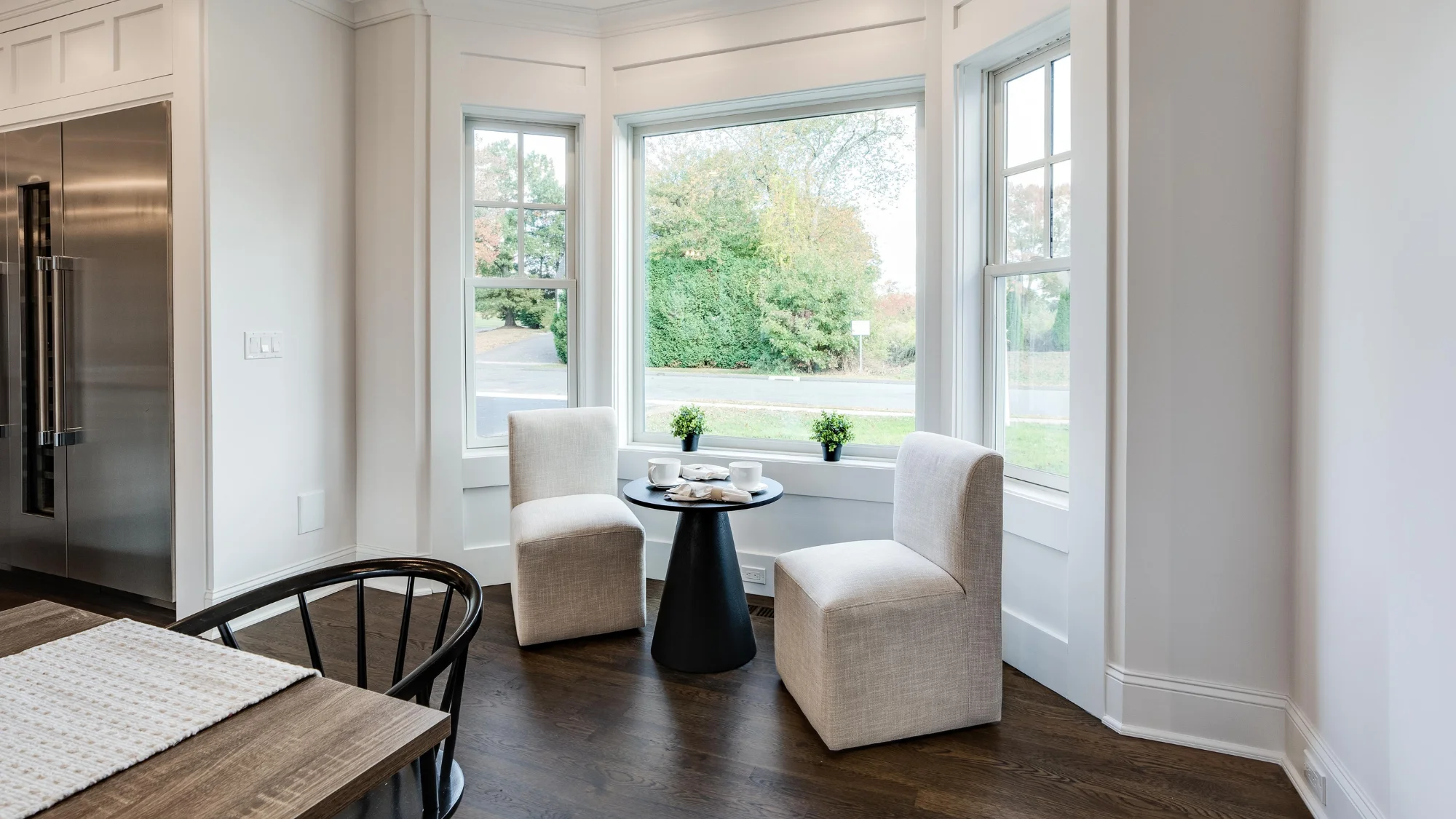
- Integrate glass: Solar-friendly glass doors, transoms above openings, or bi-fold doors can bring daylight into interior spaces while maintaining noise control.
- Maximize daylight: Prioritize larger, energy-efficient windows and consider exterior shading that reduces glare while preserving brightness inside.
- Align finishes: Choose pale, warm neutrals and consistent flooring to visually unify spaces and reflect light.
Structural and Mechanical Considerations
Open concept renovations often require careful structural planning. A load-bearing wall may need a steel beam or engineered lumber to maintain integrity. Ductwork, plumbing, and electrical conduits may need rerouting, which can affect ceiling heights and floor transitions. In CT, ensuring proper insulation and vapor barriers is crucial to prevent condensation and drafts. Collaborate with a structural engineer and a licensed HVAC professional to design solutions that preserve safety and comfort while achieving the desired openness.
Lighting, Finishes, and Materials
Bright finishes amplify openness: consider recessed lighting, layered lighting (ambient, task, accent), and warm-toned LEDs. For colonial aesthetics, maintain period-appropriate details such as crown molding, trim profiles, or a restored fireplace focal point, while introducing modern materials like quartz countertops, natural stone, and durable, low-maintenance flooring. A cohesive color palette—light walls with slightly warmer wood tones—helps reflect daylight and create a welcoming atmosphere.
Practical Steps to Get Started
- Gather inspiration and set priorities for how you want the space to function daily.
- Obtain multiple estimates from qualified contractors who specialize in historic or colonial renovations.
- Request references and review past open concept projects to assess workmanship and coordination with engineers, electricians, and HVAC teams.
- Create a phased plan to manage budget and disruption, especially if you plan to live in the home during renovation.
- Ensure you obtain all necessary permits and comply with local codes and preservation guidelines.
Working with Uccello Fine Homes, LLC
Uccello Fine Homes, LLC approaches open concept renovation for colonial homes in CT with a balance of daylight, flow, and respect for original details. The team coordinates design, engineering input, and permitting while prioritizing energy efficiency and durable finishes. If you’re considering transforming a colonial interior, reach out to discuss your goals, timeline, and budget. A collaborative plan can help you achieve a brighter, more modern living space without compromising the home’s historic charm.
Open concept renovations can dramatically improve the usability and brightness of a colonial home in Connecticut. By combining structural planning, daylight-focused design, and quality finishes, homeowners can enjoy a modern, welcoming living space that honors the building’s heritage. For guidance tailored to your property, contact Uccello Fine Homes, LLC to explore how an open concept renovation for colonial homes in CT can transform your home.